



The Crossroads of Genius: How Schneider Breaks Through the "Sophomore Wall"?



At the Miami hard court tournament in March 2026, when Diana Schneider swallowed her defeat against Bencic, that sigh belonged not only to herself but also to the fans who had once held high hopes for her. The result itself was not surprising, even "expected"—this assessment, for a "post-04" rising star who was the biggest surprise on the tour in 2024, felt particularly sharp. From the rocket-like rise of surprise to now "steadily" losing to top players, Schneider's career stands at a crucial crossroads, facing the "bottleneck period" that all talented young women find hard to avoid.
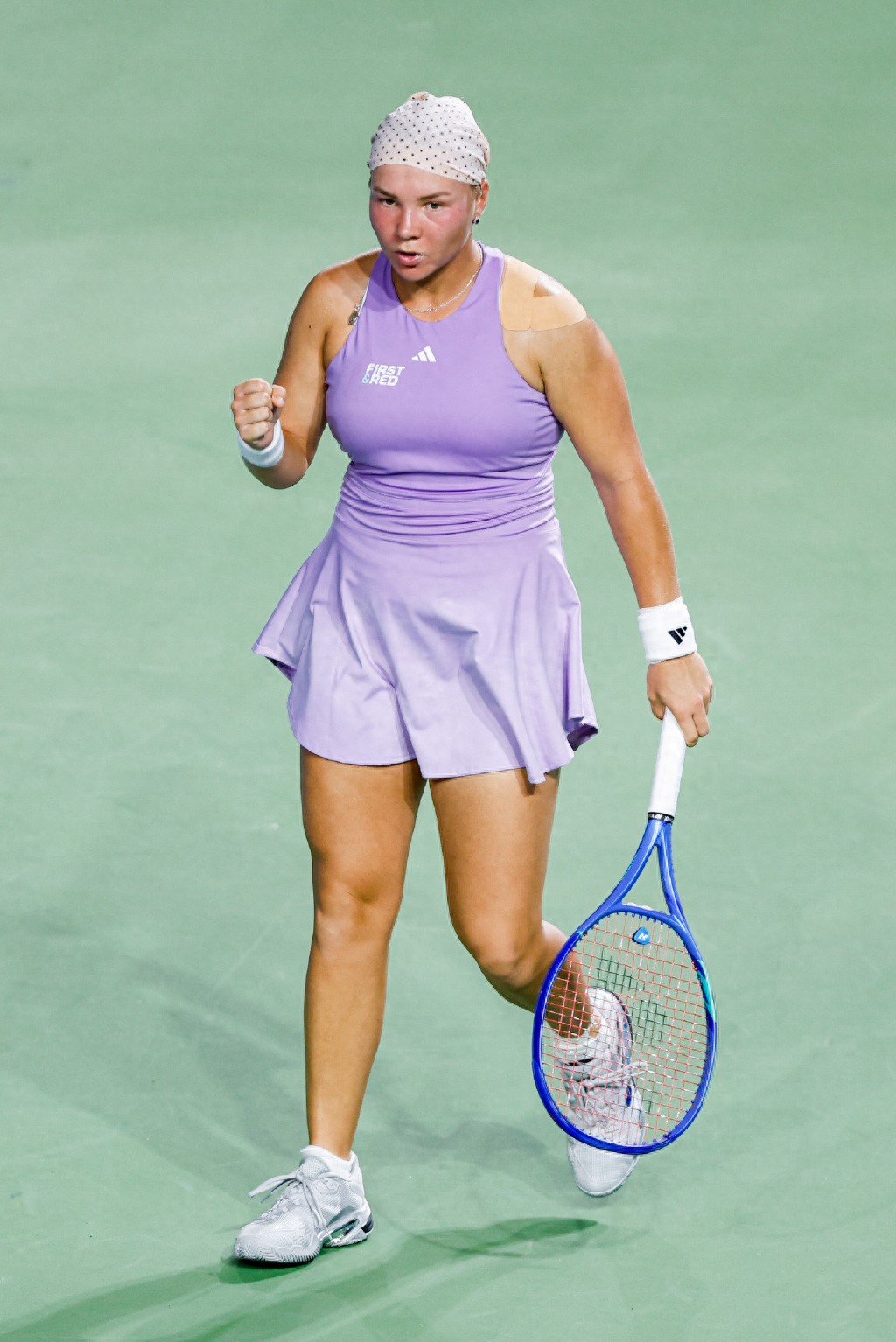
Looking back at 2024, Schneider's rise was phenomenal. At just 20 years old then, with her explosive left-handed play, unreasonable powerful attacks, and fearless sharpness, she stirred a youth storm on the WTA circuit. Her playing style, like her nationality, carried a biting chill and heavy aggression, making many top players struggle to cope. Her ranking swiftly surged into the world's top twenty, labeling her as a "future queen of tennis." However, when people expected her to climb higher in the 2025 season, even aiming for deep rounds in Grand Slams, she hit an invisible wall.
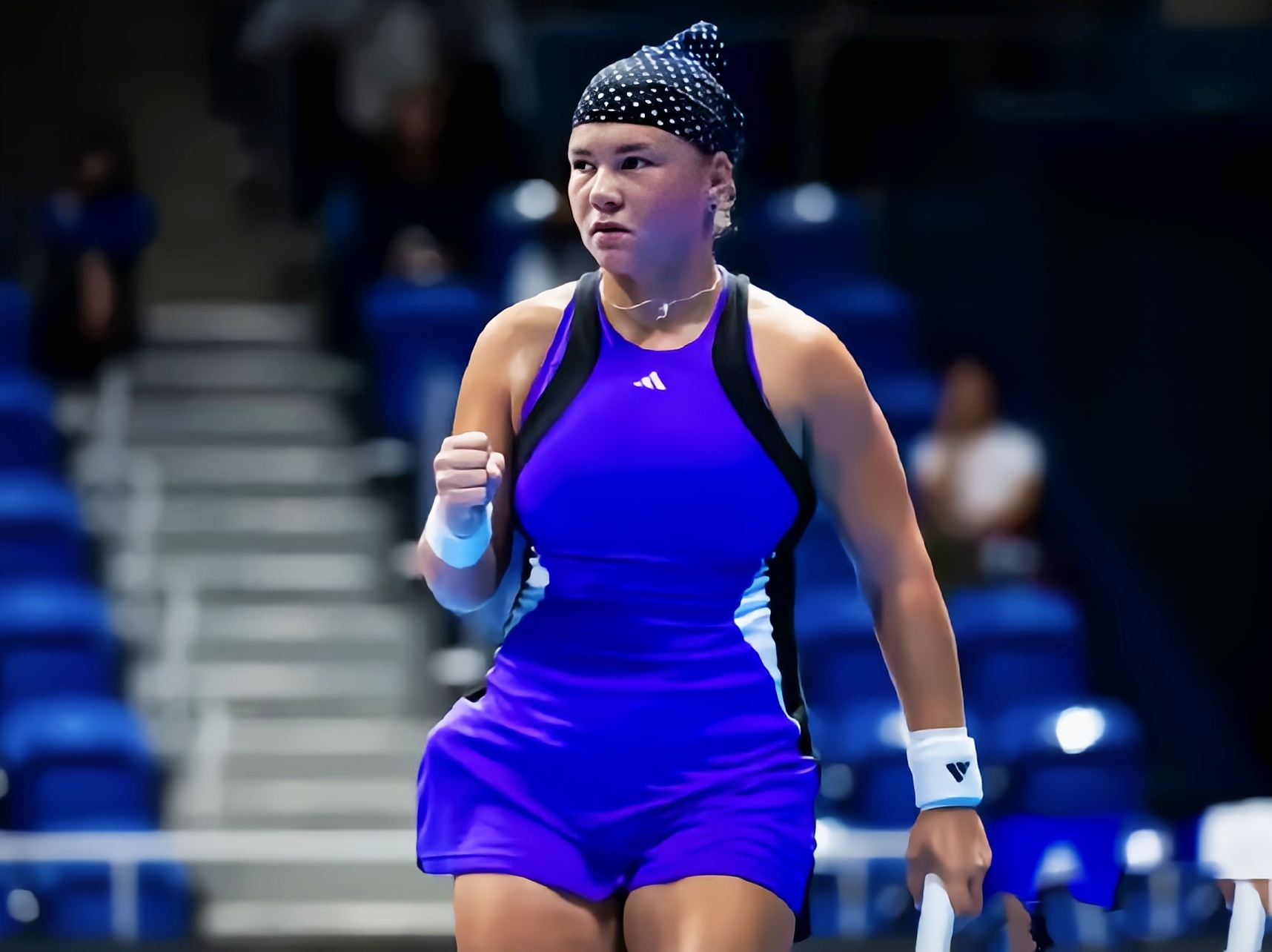
This wall is the most brutal "sophomore curse" in professional tennis. The challenges Schneider currently faces are multidimensional and intertwined. First, and most central, is the issue of "being studied" and "lack of adaptability." When she first emerged, Schneider was a challenger; her patterns, habits, weaknesses were unfamiliar to top players and their teams, allowing her to use powerful firepower to overwhelm experienced opponents. But when her ranking entered the top twenty, she became the subject of study. All top coaches and data analysts dissected her matches: How stable is her backhand? Does she tend to force changes under pressure? What is the placement distribution of her serve on key points? When opponents no longer fear her power but instead use placement and rhythm changes to limit her initiation and attack her defensive weaknesses in movement, Schneider's offensive efficiency sharply declines. We can see that in many early exits since 2025, she often starts with beautiful winning shots, but as the match deepens and opponents adapt to her rhythm and begin targeted strategies, her error rate skyrockets, and she appears lacking options on court, without a Plan B.

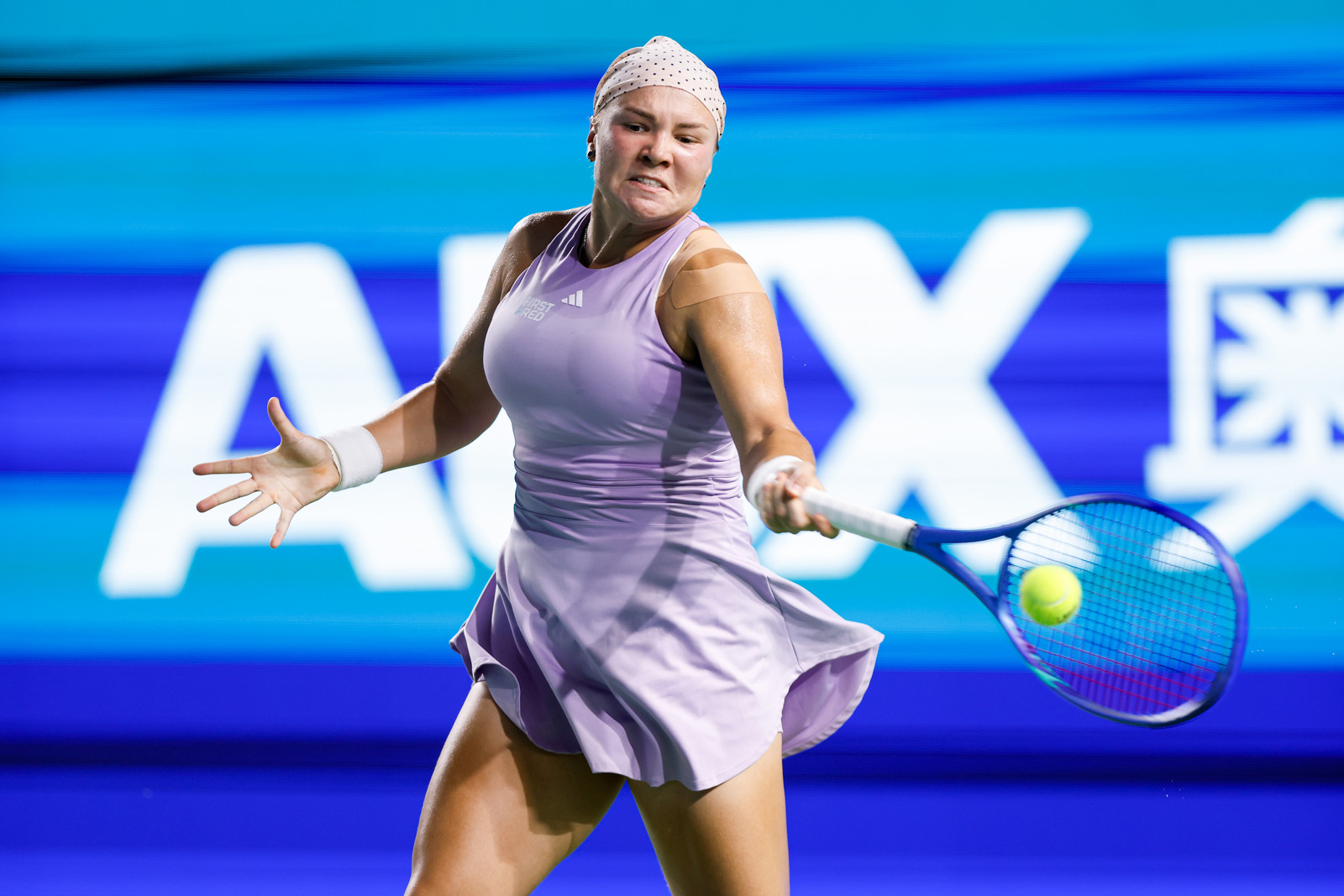
Second, there are "structural weaknesses" in her technical system. Schneider's left-handed forehand is her sharpest weapon, but relying too heavily on a "hammer" makes everything look like a nail. When opponents use high-bouncing deep shots to pressure her backhand or use slices to disrupt her rhythm of leveraging power, her shortcomings are exposed. Her backhand, while capable of flat hitting, shows a high error rate when handling low-bouncing slice balls and requiring high-stability rally balls. Additionally, her mobility is decent, but in transitions from defense to offense, facing defensive counterattack players like Azarenka or Bencich, she often makes unforced errors due to rushing to exert force. This was vividly displayed in her Miami match against Bencich: Bencich did not engage in hard-hitting battles but used precise line control and varied rhythm to force Schneider into uncomfortable positions, leading to continuous mistakes.

Third, there is the psychological aspect of "expectation management" and "pressure resistance." Transitioning from an unknown challenger to a seeded player whom everyone expects "should win," the psychological pressure from this identity shift is immense. Victories in 2024 were "earned," while every loss in 2025 seems like a "loss," this change in mindset directly affects her handling of key points in major tournaments. Multiple early exits are not just technical issues but also a lack of means and confidence to break through adversity. When opponents hit good shots, the frustration often visible on Schneider's face, followed by consecutive errors, shows she lacks the resilient mindset of top players who "forget the previous point."
Finally, there is physical reserve and schedule management. As a young player, Schneider's team in 2024 clearly aimed to accumulate points and ranking through heavy participation. But entering 2025, as she progressed deeper in tournaments, physical exertion increased. The year-round, high-intensity competition of professional tennis, for a young player whose body is not fully mature, easily leads to fatigue and injury risks. Once physical condition is not optimal, her playing style reliant on high-intensity confrontation loses its foundation.

Looking ahead, Diana Schneider's future remains bright, but only if she learns to patiently navigate through darkness. She is barely 22, precisely the crucial golden period for a player's technical formation and mental maturity. WTA history has many examples: from early Hingis, Sharapova, to recent Swiatek, Gauff, they all experienced brief stagnation or even regression after rapid rises. True champions are not about never falling, but about rising each time with a richer arsenal and stronger heart.

The Miami defeat should not be seen as an "expected" downfall but as a wake-up call. For Schneider, what she needs now is not regret over that missed forehand winner but to calmly repair every flaw in her playing style. This bottleneck period is the necessary path from "talented girl" to "true champion." Crossing it, awaits a broader sky; failing to cross, she might only become a briefly shining meteor in tennis history. This time, this Russian newcomer's future lies in her own choices facing adversity. (Source: Tennis Home Author: Xiao Di)

 Links
Links
 Contact
Address:UNIT 1804 SOUTH BANK TOWER, 55 UPPER GROUND,LONDON ENGLAND SE1 9E
Number:+85259695367
E-mali:[email protected]
 App
App


