



Sinner voluntarily admitted touching the ball and conceded the point to Moutet, demonstrating sportsmanship praised as "a true gentleman."


During the Miami Masters match between Sinner and Moutet early this morning, a touching scene unfolded. Sinner once again showcased his outstanding sportsmanship, and his action was praised by many netizens.
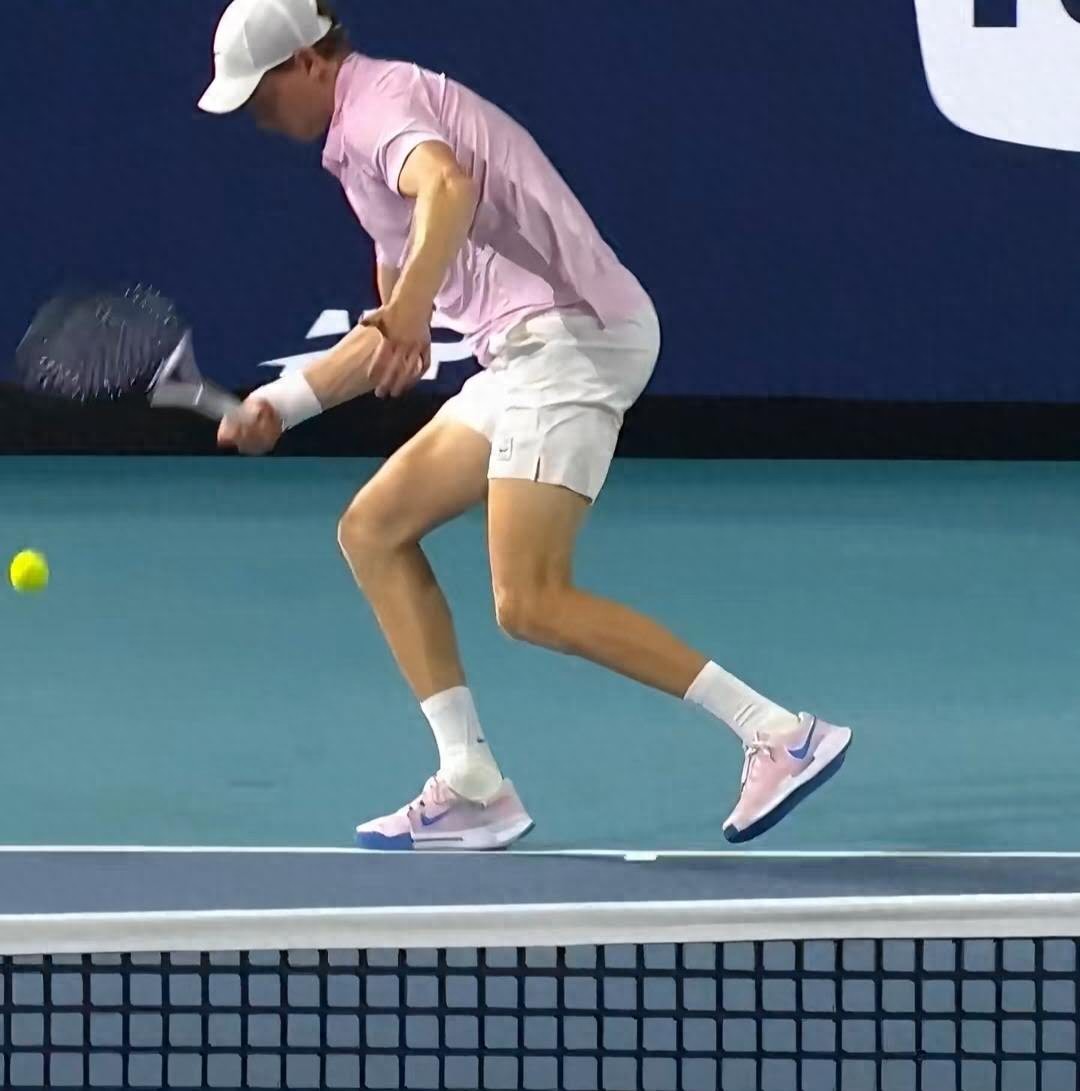
This moment occurred at a critical juncture in the match. After Sinner served, Moutet responded with an extremely aggressive return, the ball traveling swiftly and directly toward Sinner's body. Sinner had not fully recovered his position after the serve, and the ball was already upon him. Slow-motion replay showed that Moutet's return trajectory was clearly heading outside the line, and the electronic line judge had already called the ball out.
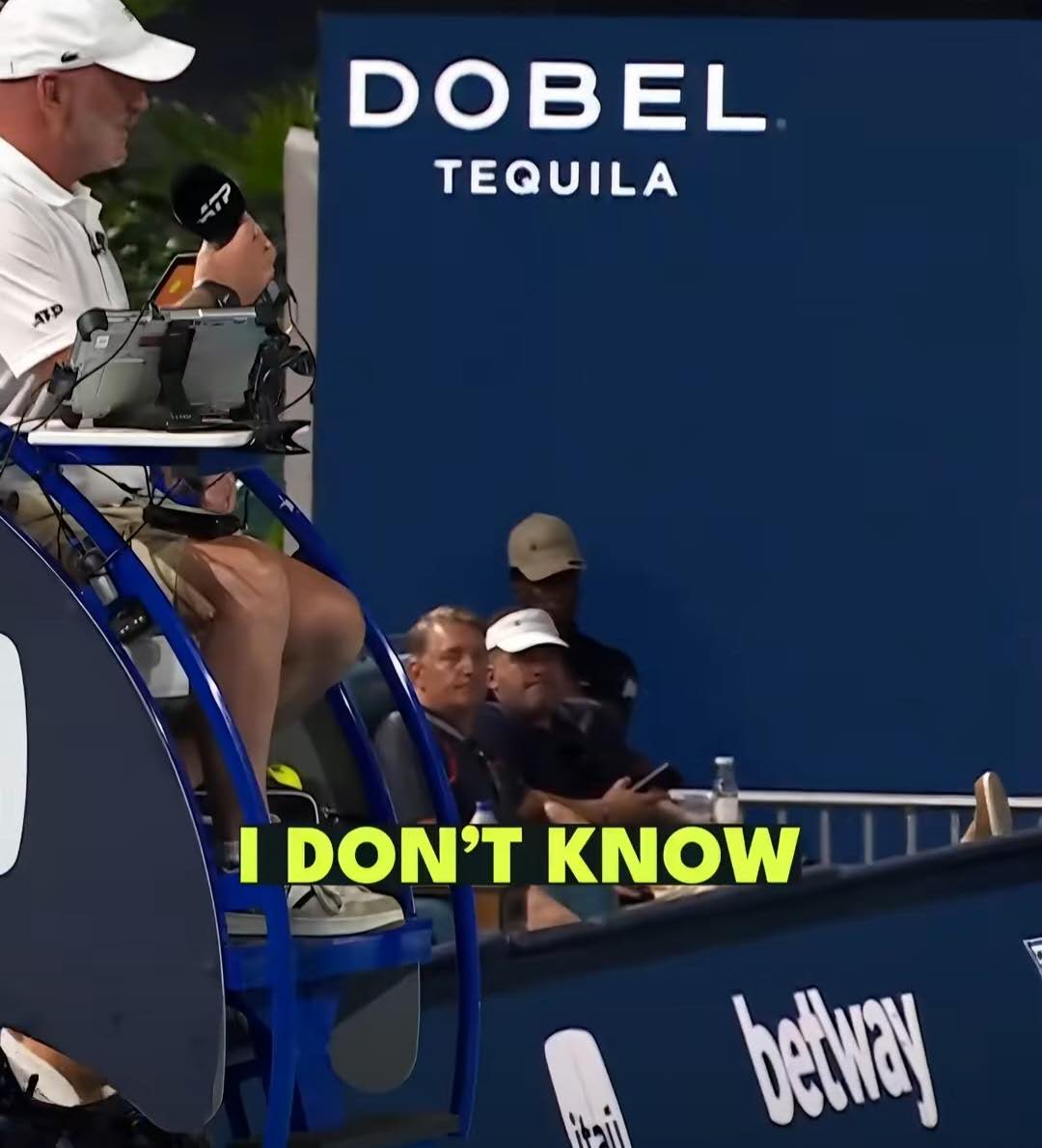
However, just before the ball landed, Sinner's racket, unable to be withdrawn in time, very slightly brushed the ball. This contact was extremely subtle, and neither the chair umpire nor Moutet noticed it. According to the electronic line judge's out call, this point should have belonged to Sinner. But after confirming he had indeed touched the ball, Sinner immediately signaled to the umpire, proactively stating, "The racket touched the ball, this point should be Moutet's." Subsequently, Sinner, Moutet, and the umpire briefly discussed, and the umpire ultimately accepted Sinner's explanation, awarding the point to Moutet.
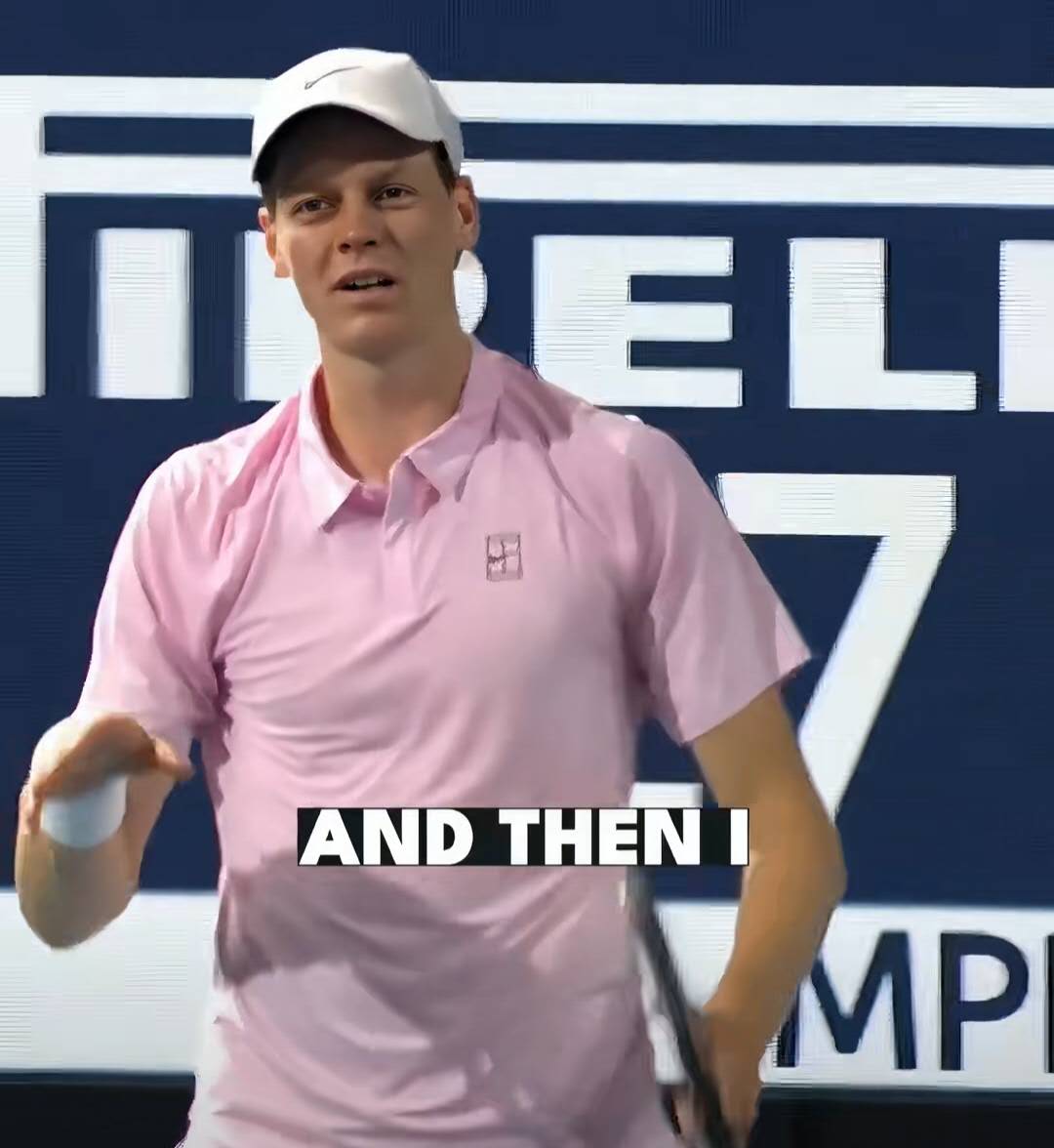
This gesture quickly garnered widespread praise within the tennis community. Former British star Tim Henman remarked from the commentary booth, "Sinner could have chosen silence, as the umpire didn't see it, the opponent didn't see it, and the electronic line judge called it out. But he chose honesty, which is so rare in professional sports."
Tennis commentator Mary Carillo also wrote on social media, "Sinner's action reminds me of the most cherished tradition in tennis—players acting as their own umpires. When a point seemed to belong to him, he voluntarily gave up the score simply because the truth was different. This is the truest embodiment of sportsmanship."
ATP later shared a video clip of the incident on social media, captioning it, "Respect. Sinner voluntarily admitted touching the ball and conceded the point to his opponent. This is tennis."

After the incident gained attention, many netizens on social media praised Sinner's action. User @TennisLover98 wrote, "An inconsequential point, a detail unseen by the umpire—he could have taken it with full peace of mind. But he didn't. That's why he can be world number one—not just because of his skills."
User @RogerFan4Ever commented, "After Federer, we finally see honesty of this caliber again. Sinner not only plays like Federer, but his character is similar too."
User @ItalianStallion expressed, "As an Italian, I am proud of Sinner. He proves victory isn't everything; the spirit of fair play is equally important."

Some netizens also shared perspectives from a competitive angle. User @MatchPointAnalysis said, "Sinner's logic is clear—since I touched it, it's my error, whether the ball was out or not is irrelevant. This understanding and respect for the rules is highly professional."
Ultimately, Sinner still secured victory in this match through his formidable prowess, advancing smoothly. But beyond the match result, the significance carried by this point is evidently more profound.
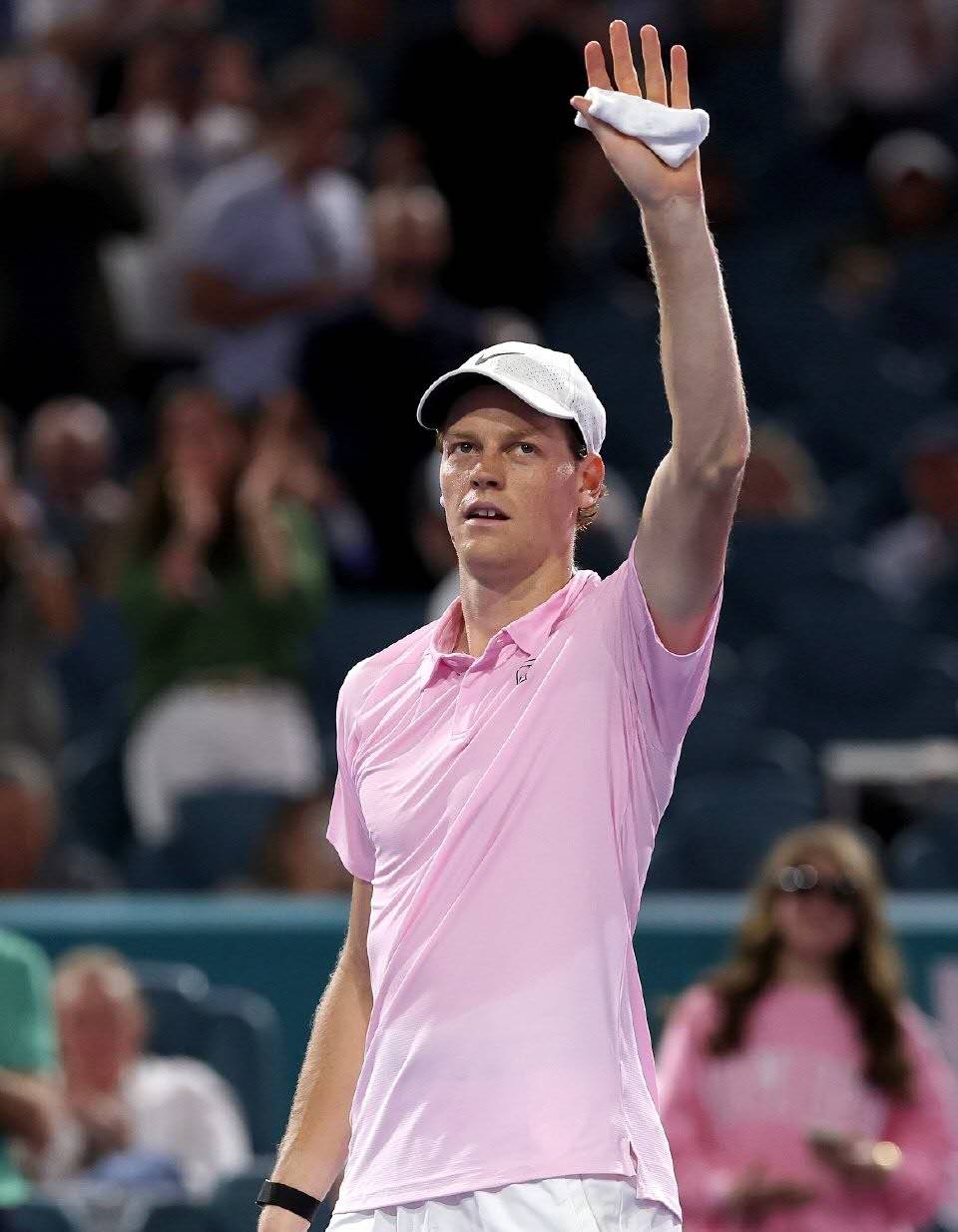
In today's increasingly utilitarian professional sports landscape, Sinner, through a voluntary act of honesty, allowed people to see the unique gentlemanly tradition of tennis. As a veteran tennis journalist remarked, "With electronic line judges, Hawk-Eye challenges, and other technological interventions increasingly involved in matches, Sinner reminds us that tennis' most moving moments sometimes lie not in skill itself, but in how players make choices at the boundary of rules and ethics." This point, Sinner "lost" to Moutet, but he gained the respect of the entire tennis world.(Source: Tennis Home Author: Lu Xiaotian)

 Links
Links
 Contact
Address:UNIT 1804 SOUTH BANK TOWER, 55 UPPER GROUND,LONDON ENGLAND SE1 9E
Number:+85259695367
E-mali:[email protected]
 App
App


