



An ATP player confronted the umpire after the referee refused to stop bullying behavior during the match.



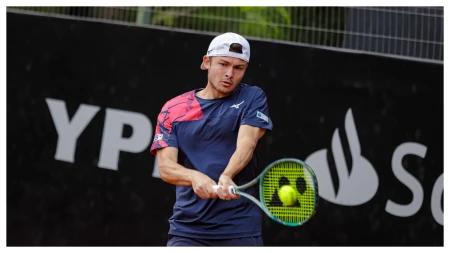
The thriving nature of tennis stems from its sustained, close connection with fans across an 11-month season, yet this high level of attention can sometimes intensify and disrupt the competition itself. A similar conflict occurred at the São Paulo Tennis Challenge in Brazil, where players were visibly agitated. Seventh seed Barrena engaged in a heated argument with a spectator during the match, and after the situation escalated, he had to appeal to the umpire.
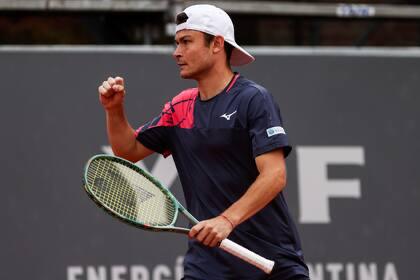
During a changeover in his match against Macondes, Barrena walked directly to the umpire's chair. The tension was already palpable, and his frustration quickly erupted into words. "He swore at me," Barrena stated loudly and clearly, lodging a complaint against a spectator.
The umpire calmly responded, "I didn't hear it." She did not immediately react to the accusation, but Barrena did not back down, insisting, "You don't need to hear it; he swore at me."
Despite the heated exchange, the match continued without immediate interruption. Barrena remained focused and ultimately won in a tough three-set battle, 6-4 1-6 7-6(1), with a tight finish. The third set was particularly tense, reaching a tie and proceeding to a decisive tie-break. Barrena held his nerve at crucial moments and seized the key points.
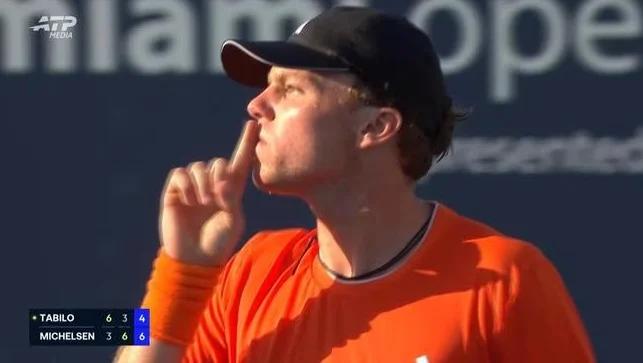
However, such incidents are not new in tennis; tensions between players and spectators frequently arise and have repeatedly become headline news. Recently, at the Miami Open, Mikkelsen faced "hostile treatment" from Chilean spectators during his match against Chilean player Tabillo, and he responded in his own way.
He gestured for the crowd to be quiet, immediately triggering loud boos and jeers. "Unfortunately, I had to quiet them down. I actually like when people want to see me lose—it's a great atmosphere, I enjoy it. I admire the patriotic support Chileans give their player; it's incredible. But a few individuals behaved very rudely during the match," Mikkelsen said at the post-match press conference.
Another case occurred at this year's Australian Open, where Fokina also found himself in a tense confrontation during his match against Opelka. After leading by two sets, Fokina's performance dipped, his dissatisfaction evident, leading to a heated argument with spectators.
The exact dialogue was not clearly heard, but the tension was obvious, prompting tournament officials to intervene. Umpire Nico Helwent stepped in, first calming Fokina, then addressing the crowd: "Friends in the audience, please provide a fair viewing environment for both athletes on court. They are both fighting hard. Please, we are playing tennis here, okay? Thank you very much."
Such recurring incidents across various tournaments illustrate how quickly emotions can escalate, even affecting top players.
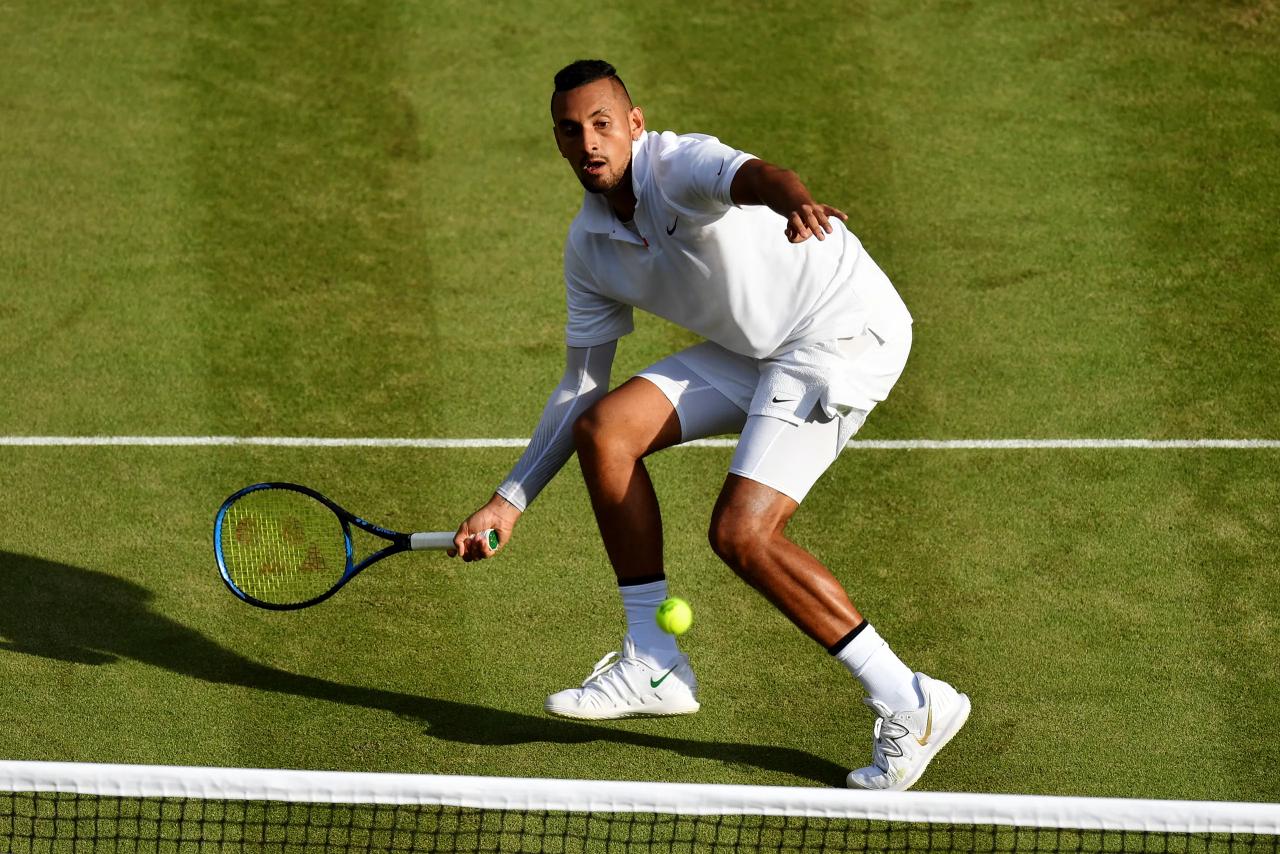
Another example took place at the 2022 Wimbledon Championships, where Kyrgios clashed with spectators early in his match against Paul Jab. Reacting to a spectator's action during a point, Kyrgios directly complained to umpire Maria Cicak, his displeasure evident.
"You can't fucking talk to me mid-point when I'm about to hit a backhand," he said, demanding better crowd control. He continued arguing, still angry: "They can watch, but they shouldn't shout or yell during a rally."
The situation escalated further as Kyrgios called a line judge a "snitch" and questioned the umpire again: "Is that necessary? Is anyone here today to listen to her? No. Then why is she doing it? No one on this court came to watch her do her job, nobody."
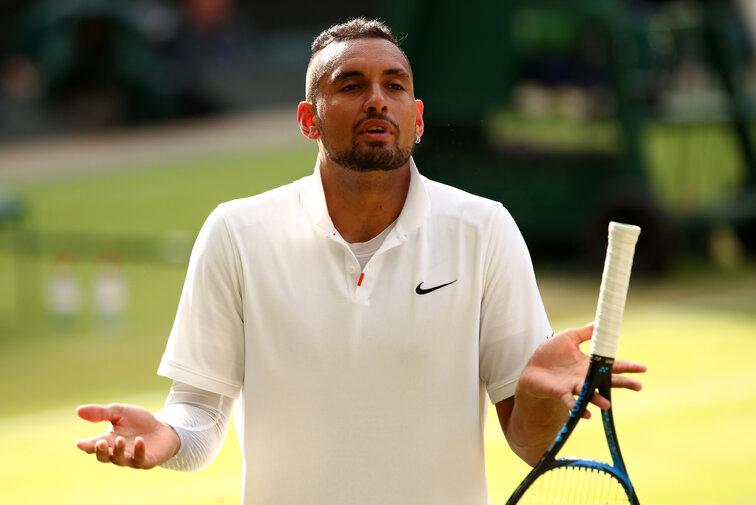
He persisted: "You understand what I mean? I know you have supporters, but she doesn't. What did I do wrong? Tell me." His frustration grew, and then spectators targeted him, booing his errors, spreading tension across the court. Kyrgios demanded action, wanting those spectators ejected, making the scene difficult to control.
Such incidents are becoming increasingly common, with both players and spectators repeatedly crossing boundaries, disrupting the balance of viewing at events.Source: Tennis Home Author: Spark

 Links
Links
 Contact
Address:UNIT 1804 SOUTH BANK TOWER, 55 UPPER GROUND,LONDON ENGLAND SE1 9E
Number:+85259695367
E-mali:[email protected]
 App
App


