



Must-read for amateur tennis enthusiasts: Gym training like this leads to faster, more powerful shots without fatigue.



Many amateur tennis players hold a mistaken belief: they think hitting power relies on strength, and strength comes from muscles, so they supplement their play with gym workouts to build muscle.
After training for a period, when they return to the court to play, they often realize their shot speed hasn’t increased significantly; in fact, their movement and shot quality may have worsened.
In a recent article, I discussed Navarro’s muscle gain during last year’s off-season. After the new season began, her on-court mobility noticeably declined. This year her record is 4 wins and 9 losses, with early exits in multiple tournaments. For a player ranked 15th in the world at the end of last year, such performance is truly dismal.
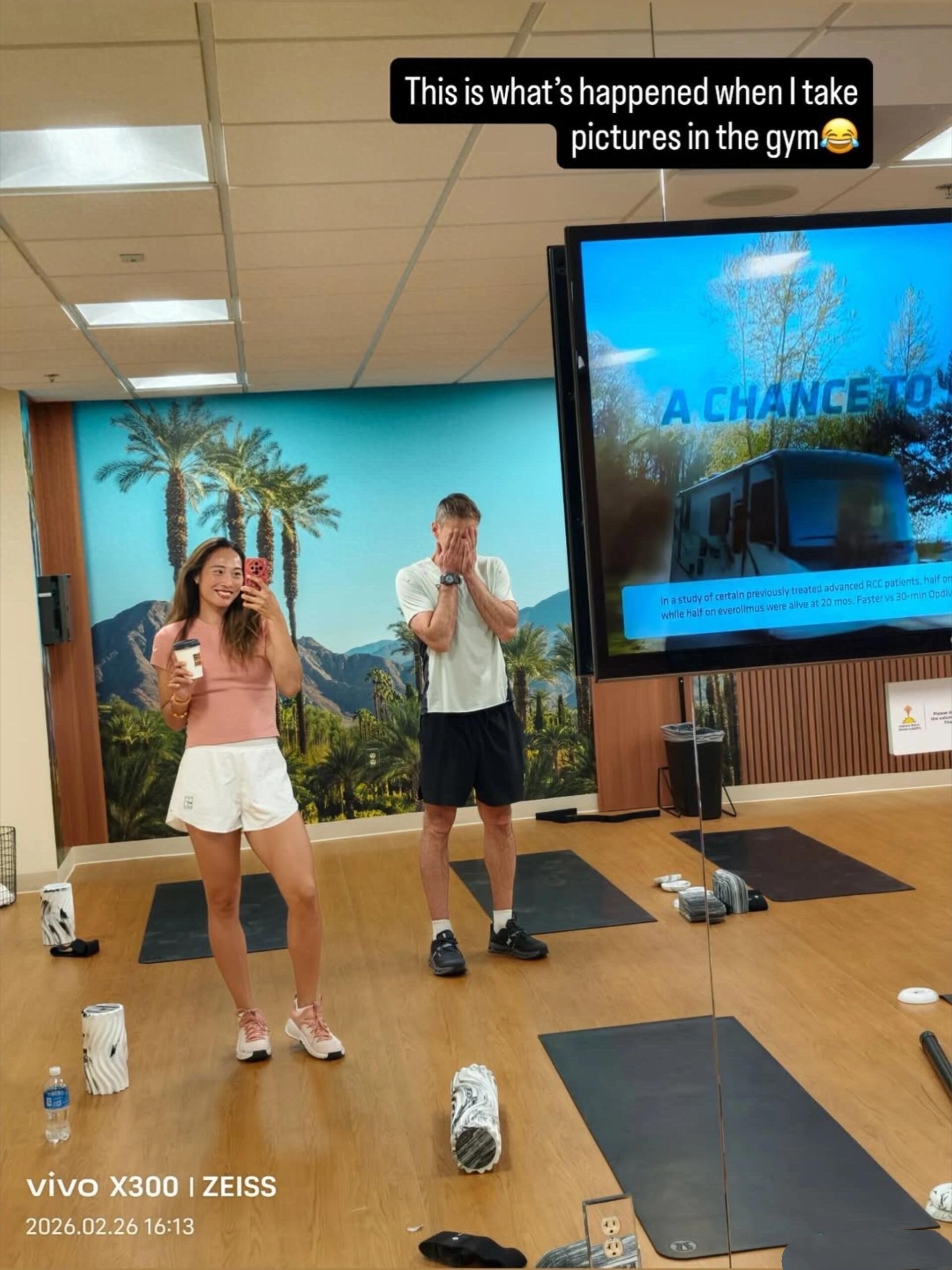
If you watch enough matches and know enough professional tennis players, you’ll notice most tennis athletes aren’t heavily muscular “muscle men” or “muscle women.” Their muscle type tends to be more elongated and lean, not the rounded, bulky “muscle mass” appearance.
Online videos of professional players in the gym show they often focus on relaxation and stretching; rarely do they push heavy barbells. Also, professionals seldom engage in long-distance running or prolonged aerobic exercise—the only pro player I know who runs marathons is Wozniacki. Even when running, most players do only brief, slow recovery runs or interval training alternating sprint bursts with jogging.
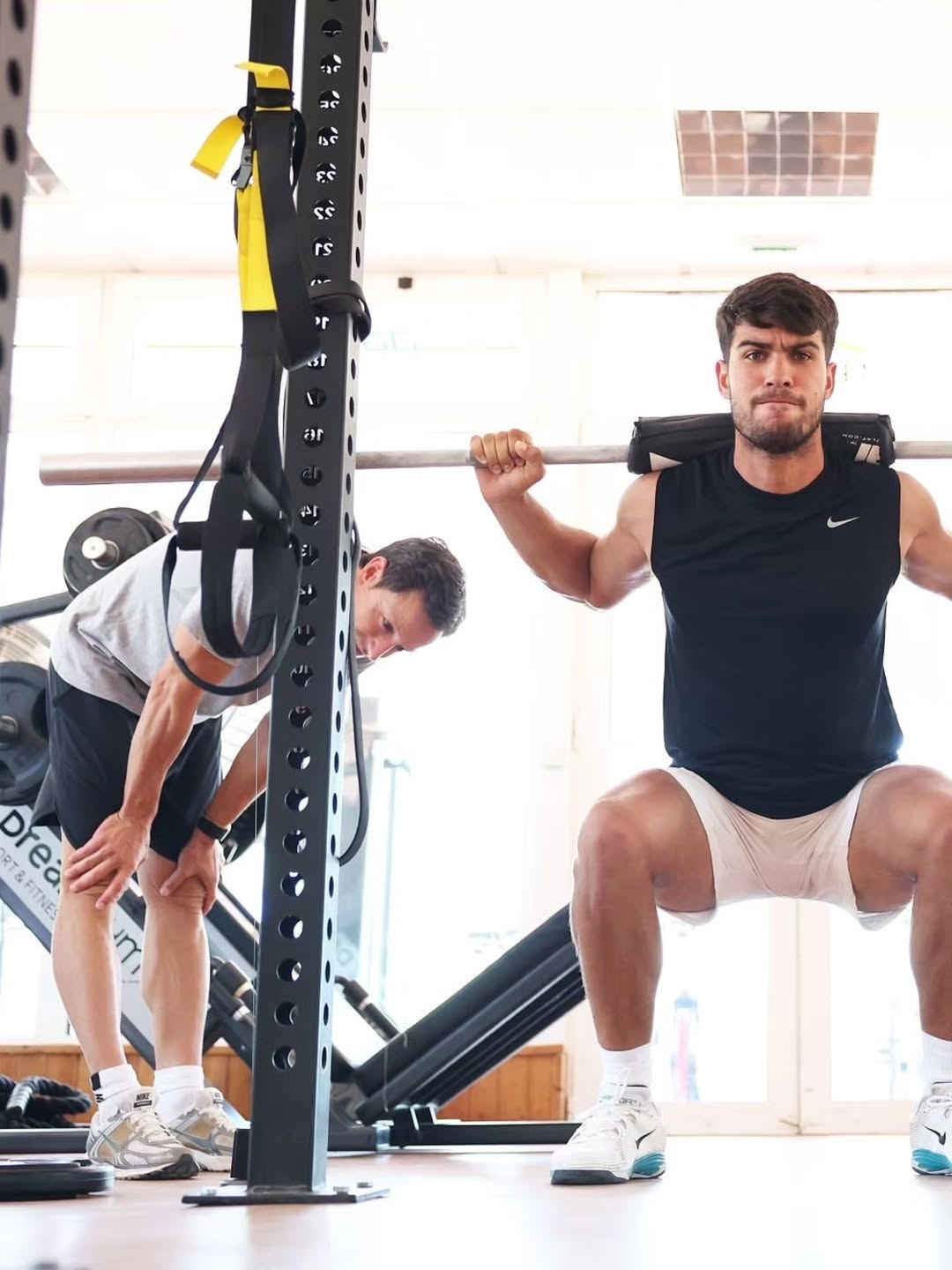
Based on my over ten years of tennis experience, I once trained in the gym pushing barbells to develop chest and upper-body muscles, aiming to boost chest and arm power for hitting. Also, I once distanced myself from the tennis court to focus on 10km long-distance running to improve endurance. After such training, when I returned to tennis, I found my level had regressed. The reason wasn’t technical rust from not playing, but incorrect training.
So, to improve tennis skills, or simply to enhance shot speed and power, and to build stamina for three-set singles, what should we actually do?
Sinner has a slender build, yet his accelerated forehand is terrifying. His upper body, including overall muscles, isn’t bulky, but he delivers deeply penetrating shots. The key reason is his stable and powerful core—the waist and abdomen.
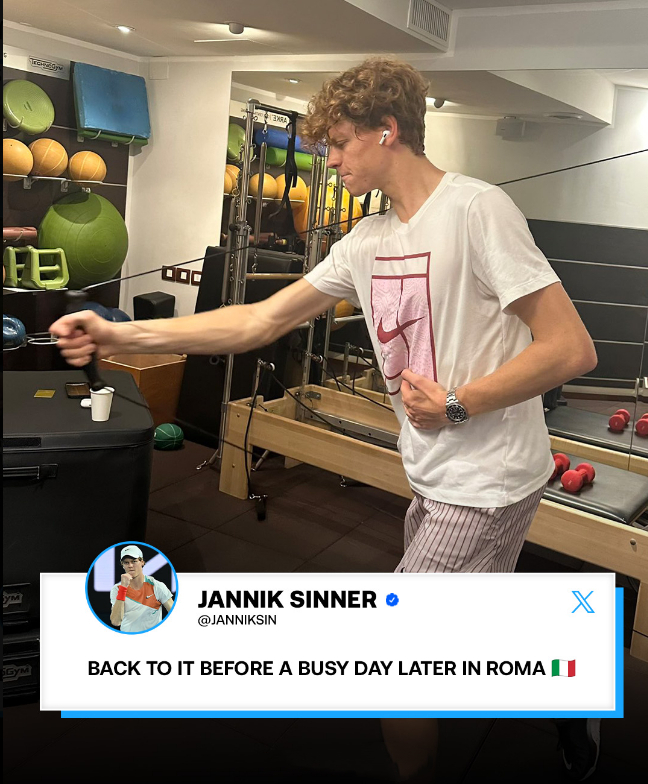
Sinner’s secret lies in smoothly transferring power from the lower body and core to the racket. Many think hitting relies on the arm, but Sinner demonstrates that legs and core are more crucial power sources; the arm merely serves as the final “transmission” tool. Training the right areas naturally boosts ball speed.
Powerful shots come from instant爆发, involving quick, precise positioning and极fast swing speed while maintaining body stability, primarily relying on legs and core.
How to train the core? Many first think of abdominal exercises like endless crunches, but I recommend plank or side plank holds, and for tennis enthusiasts, Pallof anti-rotation presses. These train “anti-twist” stability; during play you constantly rotate and counter inertia—a stable core leads to accurate, forceful shots. Additionally, rotational lifts and “woodchopper” motions fully mimic forehand/backhand swing paths, ensuring stable发力throughout the swing.
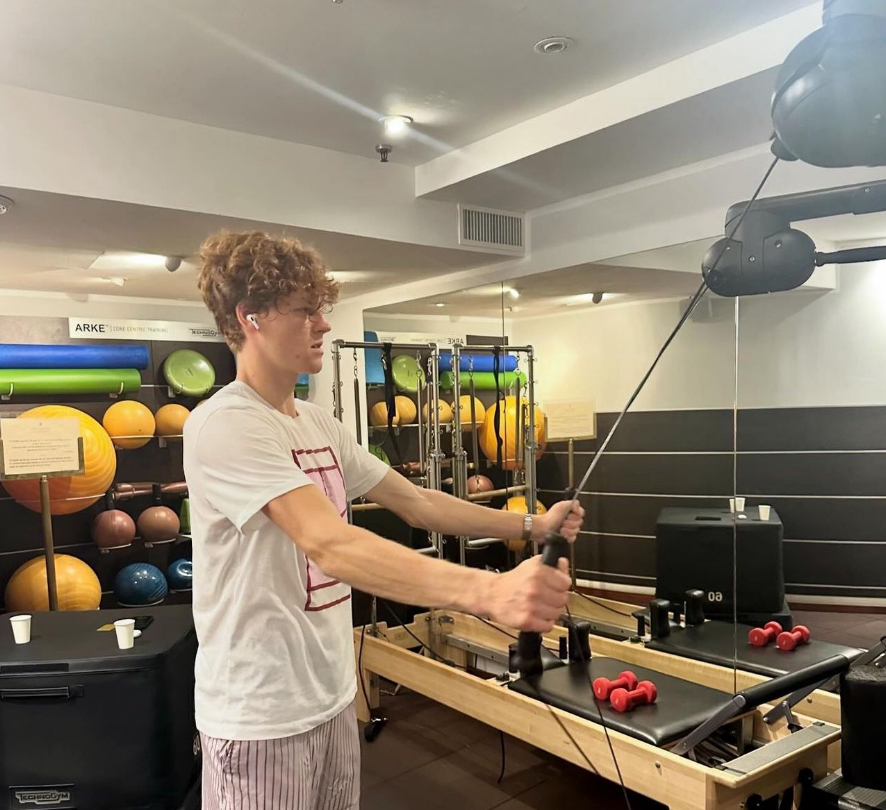
To更贴近actual hitting motions, add medicine ball throws and cable machine rotations. These nearly simulate swings,专门training “power transfer”—letting leg power steadily transmit through the core to the hand.坚持2-3 times weekly, soon you’ll feel shots更“solid,” ball speed noticeably faster, making opponents struggle. Even as a casual player, you can train with basic equipment at a local gym.
With a well-trained core, the most direct feeling is: shoulders and elbows don’t ache. Previously, arm pain after long play meant the core wasn’t working, forcing the arm to bear the load. Now power distributes全身, reducing stress on small joints, protecting yourself while applying force to the tennis ball.
For fast shots, you also need to reach and赶得上the ball. Great power wasted if you can’t arrive timely.业余players often lack not strength but footwork rhythm. Here, training needn’t be complex; agility ladder, cone drills, lateral slides—these classic三样are sufficient. Daily 10-minute practice makes feet lighter, quicker,启动more decisive. Add short sprint intervals mimicking match sudden-start scenarios;熟练后, many previously unreachable balls become easily caught.
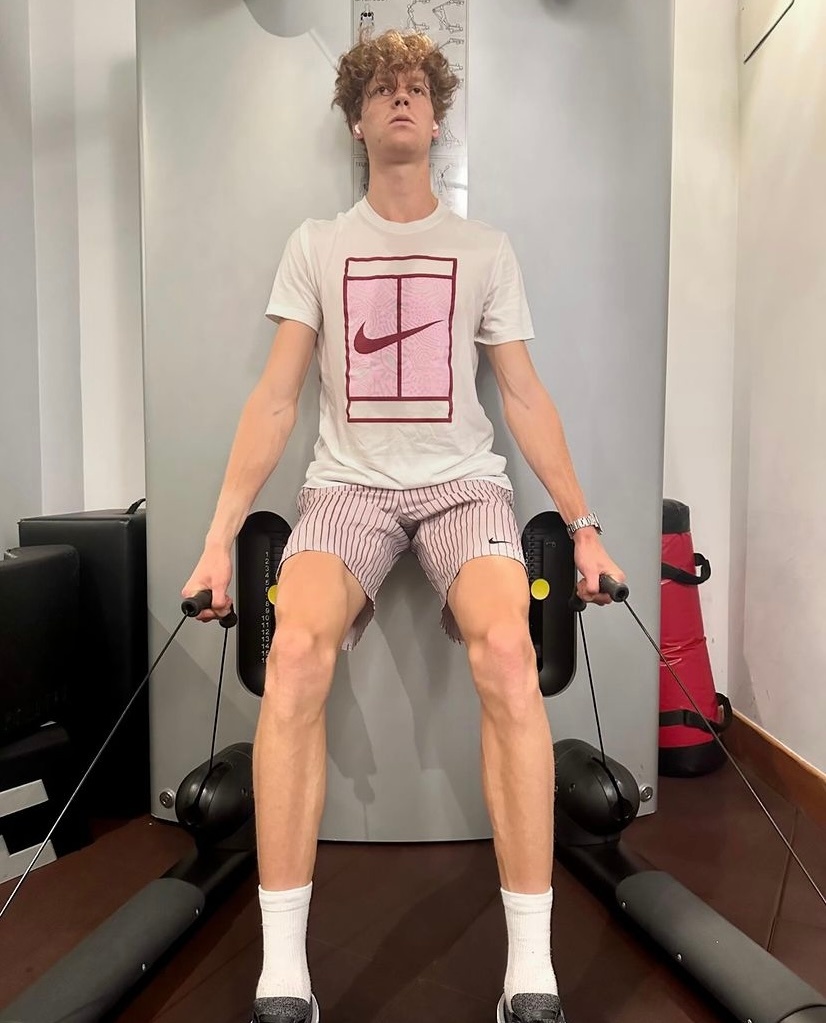
Experienced coaches integrate these into循环training, elevating heart rate while improving reaction.坚持一段时间, coordination improves, recovery between points faster, better controlling match and shot rhythm.
Besides focusing on core, we must build stamina;否则in long rallies you gradually fall behind, and even winning a long rally point often leads to quickly losing the next due to short-term breath recovery. Also,注意rationally allocate energy between points, games, and sets.
Tennis isn’t long-distance running; it’s a “burst then rest” game, so interval training is the most对口method.日常can include rowing machine, sprint cycling, treadmill incline intervals—these high-intensity effort plus short rest patterns resemble tennis match节奏.
If you also want to lose weight, add some gentle aerobic exercise, but don’t run too long. As my past教训shows, prolonged慢跑makes legs heavy, affecting爆发力. Moderate running suffices, boosting endurance without compromising shot speed.
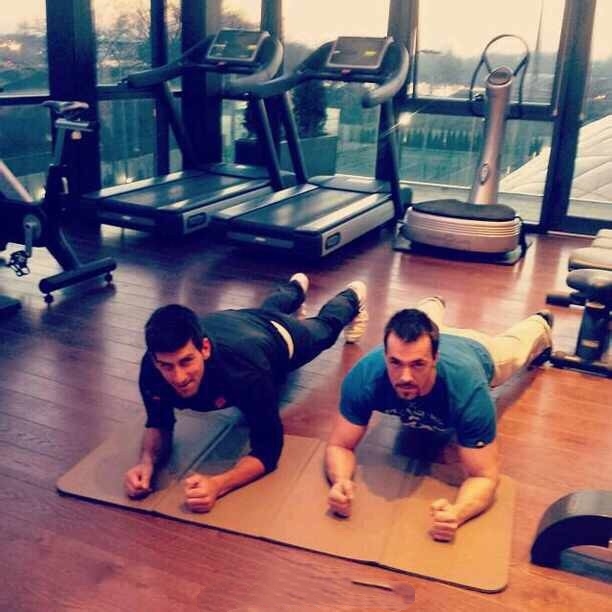
Finally, shoulders and mobility. Tennis heavily taxes shoulders; serves and strokes rely on them. Many can’t hit fast not due to lack of power, but shoulders not mobile enough or不敢发力; others train too intensely, shoulder injuries ending tennis.
How to train shoulders?日常use resistance bands for external rotations, face pulls—these small unnoticed actions特别protect shoulders, also usable for pre-play warm-up. A fellow player’s bag always includes a band, used before and after play to activate shoulder muscles, ensuring safer, smoother发力during powerful swings in matches.
Of course, combined with dynamic stretches for hips, thoracic spine, shoulders, the body moves more freely, swings more natural and ample, shot speed naturally提升another level. Here, Djokovic is a model; rarely seen using equipment for strength, mostly stretching and yoga, one secret behind his rare injuries and long career.
Summarizing above: Gym training isn’t to replace on-court practice, but to “enhance” your skills. Strength makes each shot faster, core stabilizes发力, footwork ensures reaching optimal contact points, stamina maintains进攻even in deciding sets.
Whether a beginner or long-time player, simply training these areas—without弯路or堆time—you’ll明显feel: shots faster, heavier, steadier, playing more joyful and confident.(Source: Tennis Home Author: Yun Juan Yun Shu)

 Links
Links
 Contact
Address:UNIT 1804 SOUTH BANK TOWER, 55 UPPER GROUND,LONDON ENGLAND SE1 9E
Number:+85259695367
E-mali:[email protected]
 App
App


