



Compatriots support Alcaraz; it's normal for him to feel saturated and exhausted after winning so much!



The current state of world number one Carlos Alcaraz has become a hot topic in tennis circles. Former Spanish tennis player Alex Corretja recently spoke out in support of his younger compatriot, candidly stating that Alcaraz's "mind is somewhat overwhelmed," rooted in psychological saturation from "winning too much," but this is entirely normal.
In the interview, Corretja detailed the challenges Alcaraz is facing. He believes the public and media should not overinterpret the young star's emotional outbursts on court; they are a normal reaction to physical and mental exhaustion.
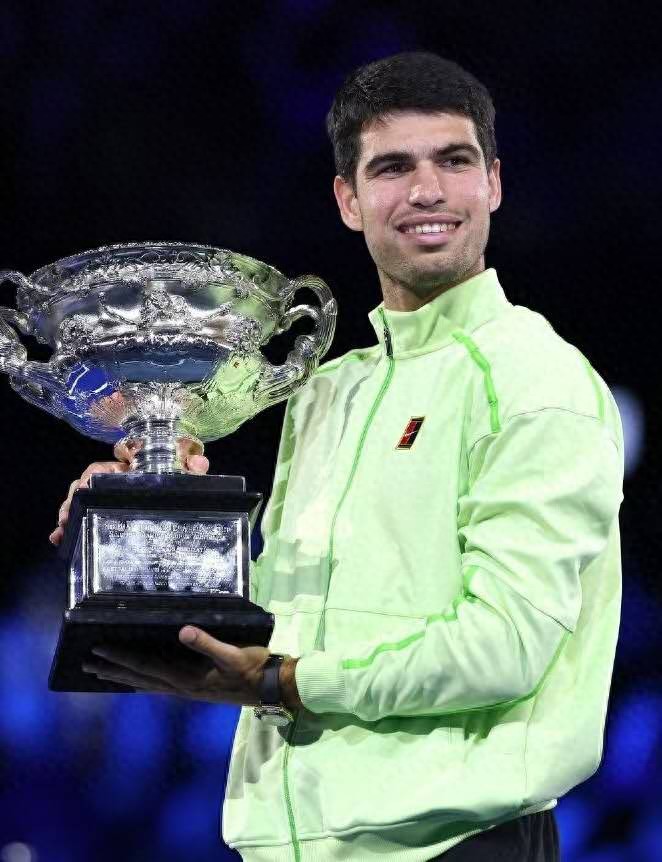
"I think at some point he feels a bit tired, makes some weary comments, or says he can't hold on and wants to go home—that's very normal."
Corretja further analyzed the deeper reasons for Alcaraz's psychological state. In his view, the young player is not weak; rather, it's the intense succession of successes that has overwhelmed him. "I think psychologically, Carlos is a bit... winning too much is amazing, but it also saturates you. You have no downtime, very little recovery time. I feel the start of this year was excellent, but it also leaves you almost no margin or days to regain calm and do things you want."
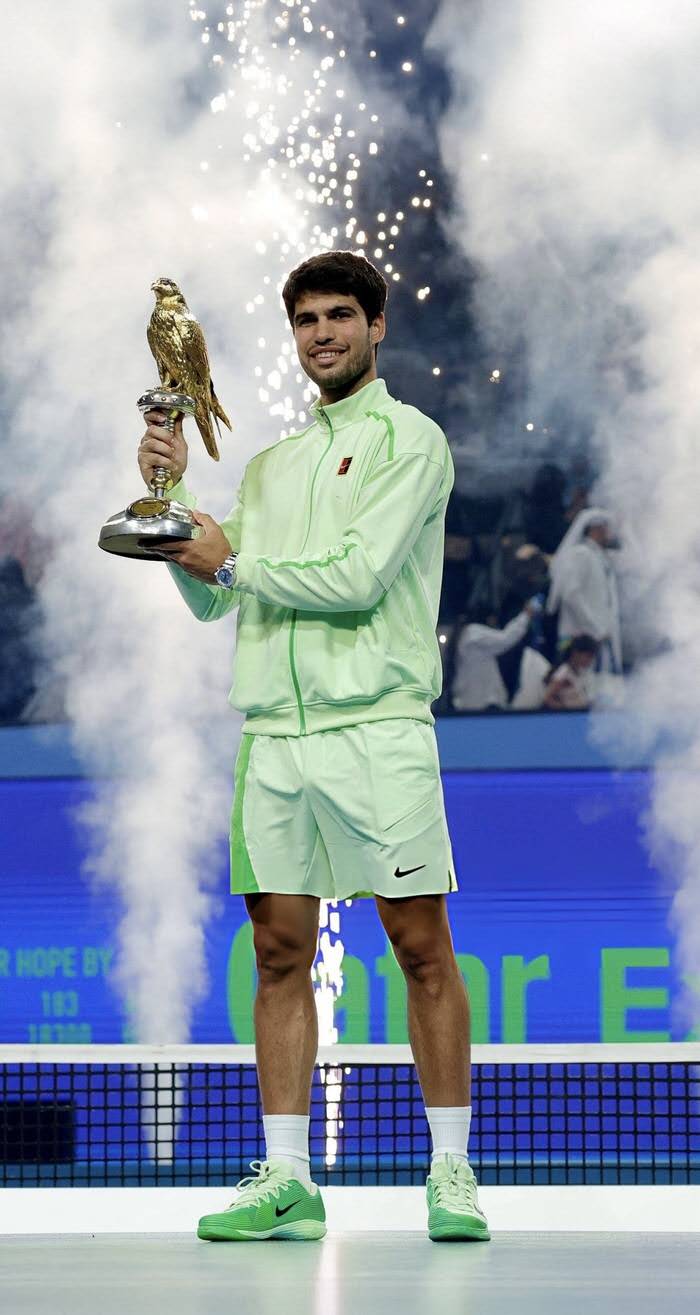
As a veteran who competed professionally for many years, Corretja understands the difficulty of maintaining mental balance under high-intensity competition. He offered his advice to Alcaraz: "I would tell him there's no need to stay extremely calm; it doesn't matter. Don't feel pressured. But you've already given everything. Rest for a few days. Then we'll assess if you've recovered enough to perform in Monte Carlo. If not, we'll continue and start from Barcelona. Any problem?"
The core logic of these words is clear: rather than forcing oneself to compete while exhausted and suffering consecutive setbacks, it's better to accept the body's signals, adjust the schedule, and focus on the long term.
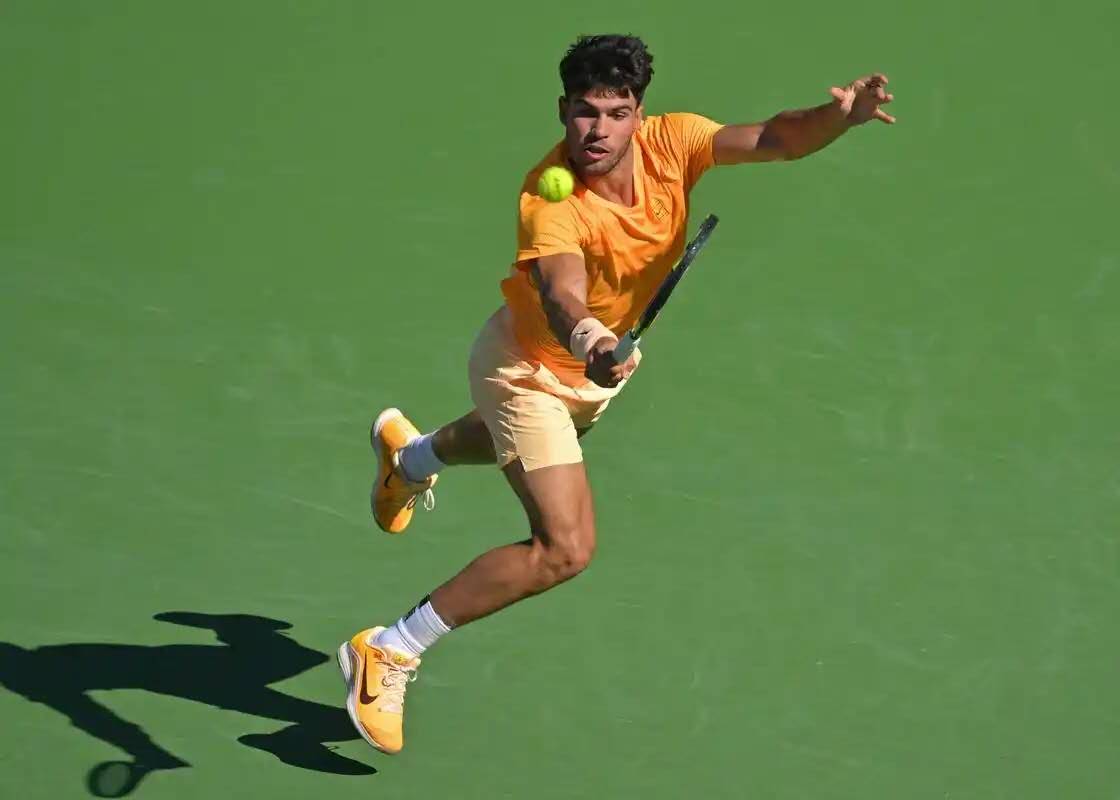
Corretja's remarks quickly sparked共鸣 and discussion across tennis circles. A资深 fan commented: "In fact, psychological fatigue in professional tennis players is often more隐蔽 and more destructive than physical fatigue. When a player consistently reaches the final stages of top tournaments, their mind remains高度紧绷. Without sufficient time to 'shut down' and recover, symptoms of emotional exhaustion emerge—这正是 Alcaraz is currently showing."
A网友 with the ID @VamosCarlosUSA also wrote: "Finally someone speaks the truth. Carlos has played nearly all the final stages of major events from Wimbledon last year to now. He's human, not a machine. Those calling him 'mentally weak' or sensing boredom simply don't understand the消耗 of top athletes."
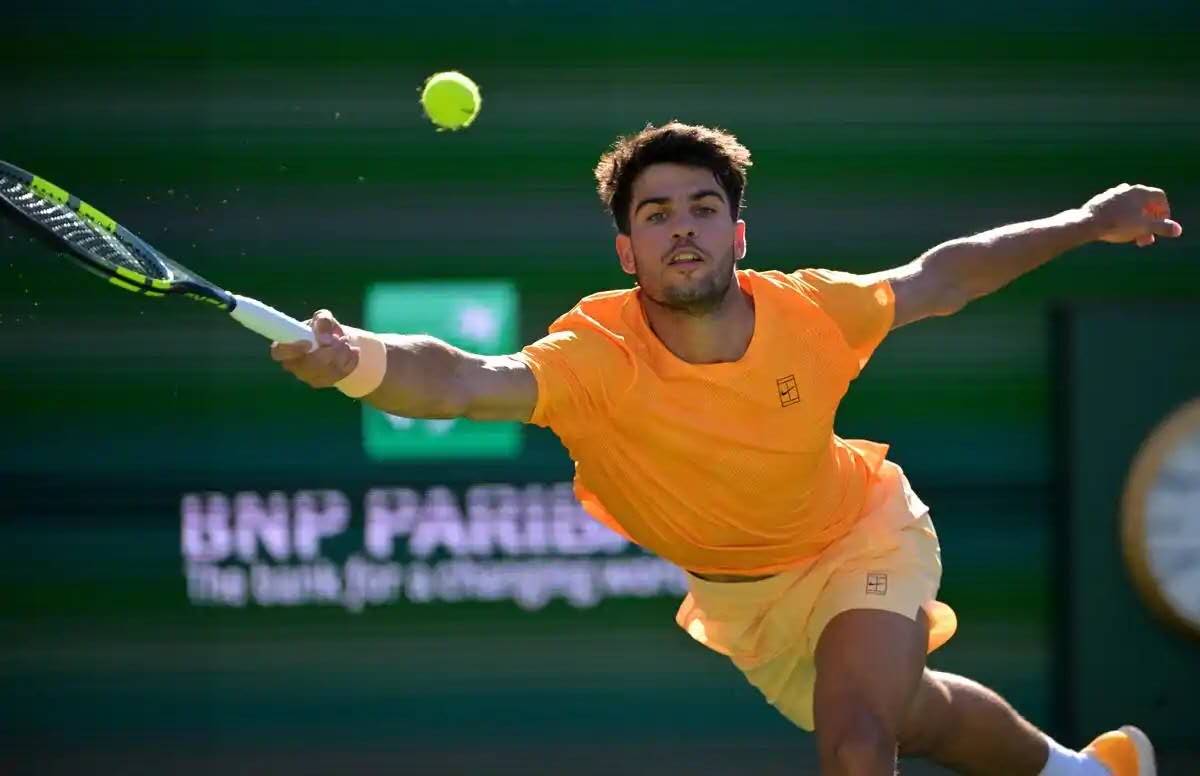
Another网友 @Tennis_Pyschology analyzed: "Corretja is right; 'winning too much' truly is a burden. Every time you step on court you're the target being chased, every early loss is放大 into a crisis. This psychological pressure accumulates and迟早 needs release. Alcaraz needs not a training court, but a couch and a few weeks off."
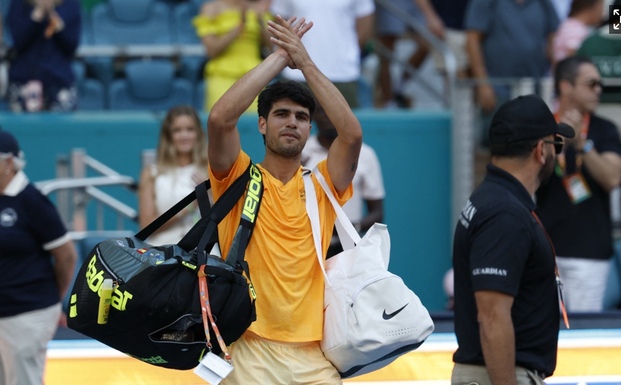
Regardless, Corretja's public advice is both善意提点 from a前辈 to a后辈 and a温和提醒 to Spanish tennis乃至 ATP officials: in this data-driven, fiercely competitive era, don't let talent lose its initial joy through过度消耗.
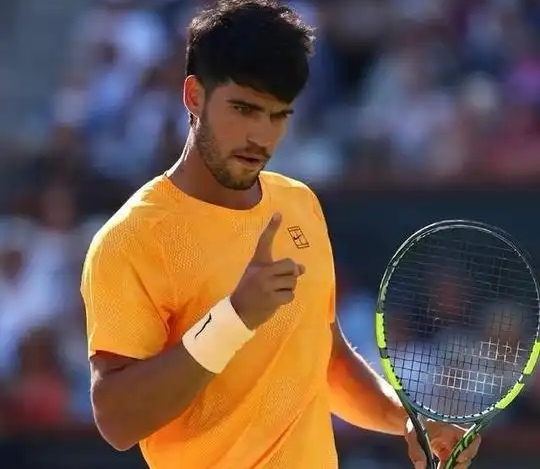
As Corretja said, "Any problem?" For a 22-year-old who has already won a Grand Slam and reached world number one, occasionally stopping to catch a breath might precisely be the必经之路 to a greater future.(Source: Tennis Home Author: Lu Xiaotian)

 Links
Links
 Contact
Address:UNIT 1804 SOUTH BANK TOWER, 55 UPPER GROUND,LONDON ENGLAND SE1 9E
Number:+85259695367
E-mali:[email protected]
 App
App


